
A timber investment is a bet on a place: its species, its growing season, its mills and its buyers. ERTH Sylva Fund I is built around that fact. It is raised in five regional funds, each with its own lane: U.S. South, Pacific Northwest, Latin America, Oceania, and Nordic & Northeast.
Every region is its own market
The five regions grow different wood for different markets. The U.S. South fund looks at southern yellow pine and hardwood timberland. The Pacific Northwest fund looks at Douglas-fir and coastal timberland. The Latin America fund looks at plantation timber, the Oceania fund at timberland in Australia and New Zealand, and the Nordic & Northeast fund at Nordic and northeastern forest assets.
Harvest schedules, mill demand, regulation and, outside the United States, currency all differ by region. Keeping each fund inside its region lets an investor choose the exposure they want, and keeps one region’s cycle from setting the terms for another.
Why the U.S. South anchors the platform
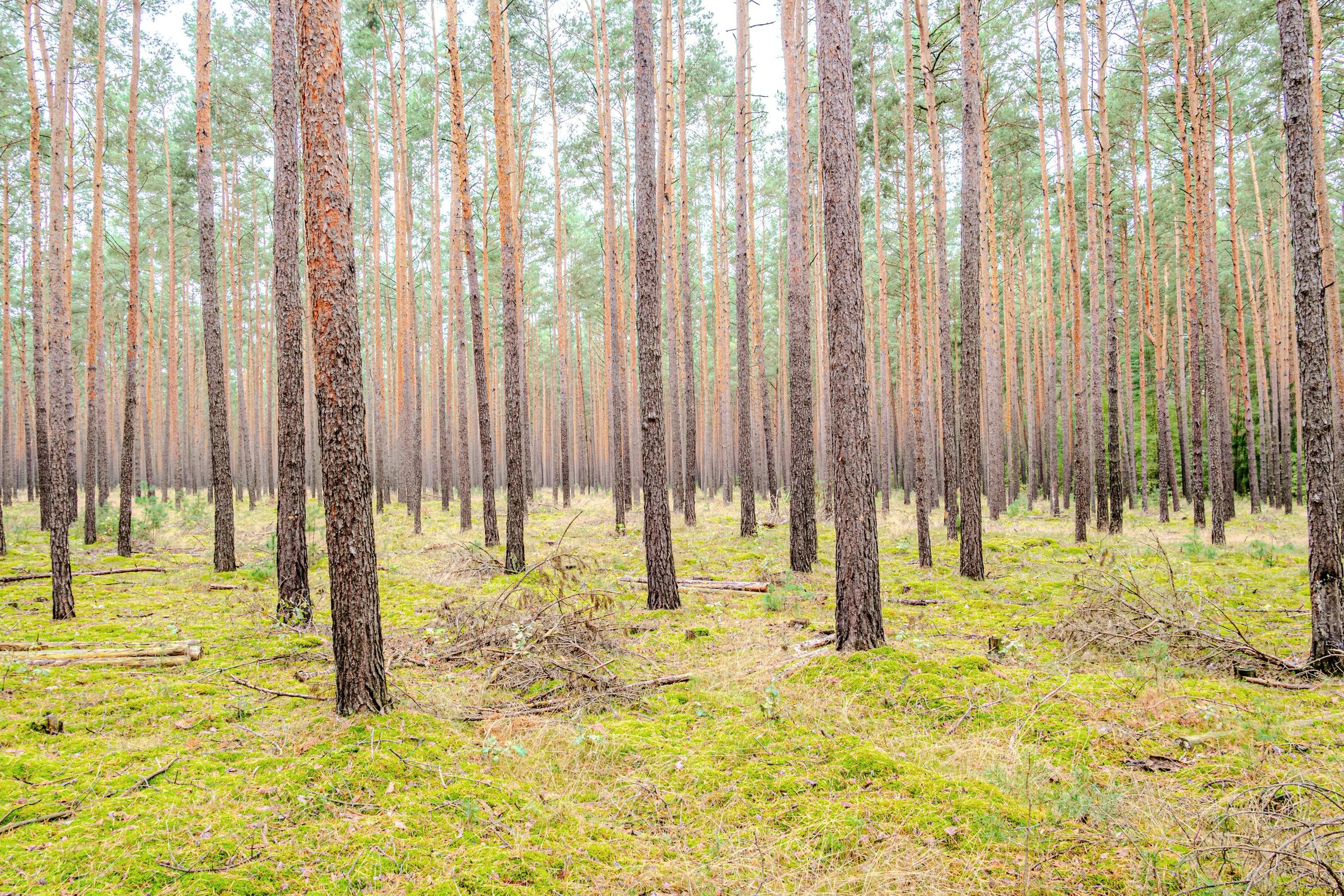
The South is the largest wood-producing region in the country. A USDA Forest Service Southern Research Station paper (Johnsen and others, 2014) puts the South’s forest sector at approximately 60% of total U.S. wood production. That depth of mills and buyers is why the U.S. South is the first of the five lanes.
“A region’s fund invests only inside its region.”
ERTH Sylva
What stays out of the lane
ERTH Sylva buys timberland. Farmland goes to ERTH Agra, and raw land bought for entitlement goes to ERTH Terra. Tracts that hold both timber and farmland are assigned under the Group Allocation Policy before either arm acts, so two ERTH funds never bid against each other for the same land.
Sources
- Johnsen, K.H. and others, “Productivity and carbon sequestration of forests in the southern United States,” USDA Forest Service, Southern Research Station (2014). research.fs.usda.gov
This note is for information only. It is not an offer to sell or a solicitation of an offer to buy any interest in any fund. Interests are offered only through each vehicle’s own documents.